
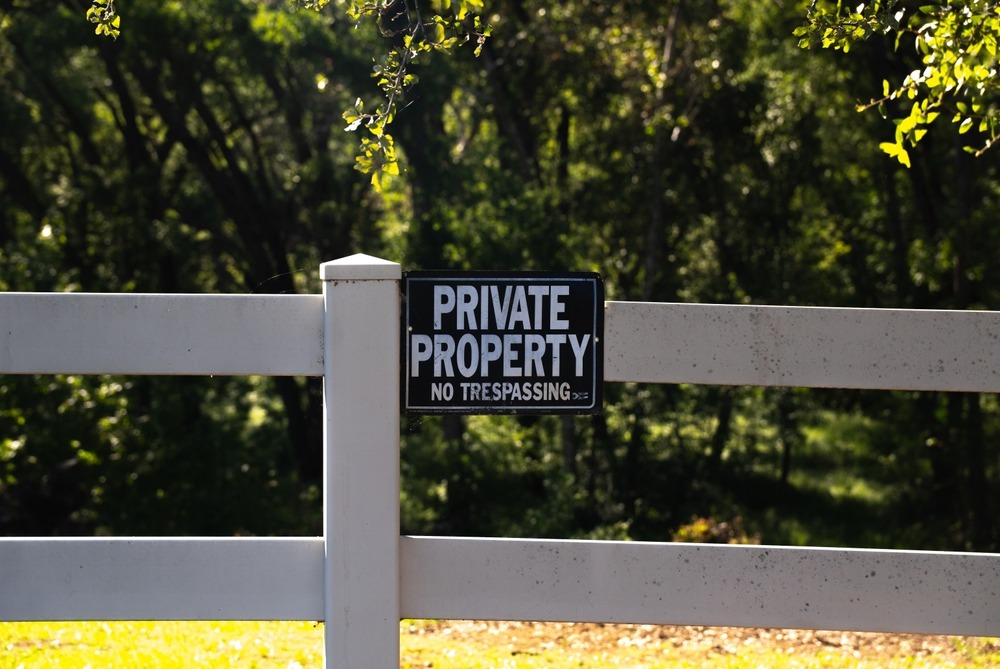
Can you really get arrested for drunk driving in your own driveway? What about a private parking lot or a campground? A lot of people in California assume DUI laws only apply to public streets and highways, places with traffic signals and speed limits. But the truth is, that assumption could cost you.
California’s DUI laws are written with public safety in mind, and they don’t stop at the edge of a sidewalk or city road. Whether you’re behind the wheel in a shopping center, a private neighborhood, or even on secluded property, the law still applies. In this post, we’ll break down exactly when and where you can be arrested for DUI on private property, and why thinking “I’m not on a public road” isn’t the legal safety net people think it is.
What California DUI Law Actually Says
Let’s start with the law itself and what it doesn’t say.
California Vehicle Code §23152 makes it illegal to drive under the influence of alcohol or drugs. But here’s the catch: it doesn’t say anything about where that driving has to take place. There’s no mention of public roads, highways, or city streets. Just one clear rule, if you’re driving impaired, you’re breaking the law.
That wasn’t always the case. Before 1982, DUI laws in California were limited to public highways and areas open to the public. But lawmakers removed those limitations on purpose. Today, DUI statutes are designed to apply “anywhere in the state,” including areas beyond public roadways.
So what does that mean for you? If you’re driving a vehicle while intoxicated, even in places like private parking lots, driveways, or gated communities, you’re still subject to DUI laws. The key is that location doesn’t matter nearly as much as the fact that you’re operating a vehicle while impaired.
Yes, DUI Laws Do Apply on Private Property
This might surprise some drivers, but California law is clear: you can be arrested for DUI even if you never leave private property.
That’s because DUI laws are part of a group of vehicle codes that apply “anywhere in the state”, not just on public roads. Specifically, California Vehicle Code §23215 allows law enforcement to enforce DUI laws on private property, especially in places where vehicles regularly operate.
So where does that apply? Think parking lots, apartment complexes, private roads, and even gated communities. Just because the land is privately owned doesn’t mean it’s off-limits to DUI enforcement, especially if it’s accessible to the public, to other drivers, or to law enforcement.
In other words, being on private property is not a shield against DUI laws. If you’re behind the wheel and under the influence, and you’re anywhere a car can move, you’re within reach of California’s DUI statutes.
How Law Enforcement Interprets DUI on Private Property
So how do police actually handle DUIs off the beaten path?
In most cases, law enforcement treats many private areas, like shopping center parking lots or apartment driveways, just like public roads when it comes to DUI. If an officer sees someone driving erratically in one of these spaces, they can pull them over, investigate, and arrest them if they’re under the influence.
What gives them the authority? A few things:
- Public access: If other people can drive there, it’s fair game for enforcement.
- Property owner cooperation: Many businesses and communities authorize police to patrol and enforce laws on their property.
- Immediate safety concerns: If someone calls in a drunk driver or an officer sees dangerous behavior, they don’t need a public road to step in.
In short, officers don’t need to catch you on a freeway. If you’re behind the wheel, clearly impaired, and posing a risk, even on private property, law enforcement can and often will take action.
So, Can You Be Arrested for DUI on Private Property?
Yes, and it happens more often than people realize.
In California, the law doesn’t care whether you’re driving on Main Street or behind a strip mall. If you’re impaired and operating a vehicle, you can be charged with DUI. The key question isn’t “Is this public or private?”, it’s “Were you in control of a vehicle while under the influence?”
Even if you’re on your own property, like a long private driveway or gated land, you’re not automatically protected. If there’s an accident, a witness, or if law enforcement has a reason to be there, they can investigate, and the DUI laws still apply.
So while the odds of getting caught might feel lower in a private space, the legal consequences are just as real. And in many cases, the assumption that “private property means safe from DUI” only makes things worse when charges do happen.
What to Do if You’re Facing a DUI on Private Land
Getting arrested for DUI is stressful enough, but getting charged while on private property can feel especially confusing. You might wonder if the arrest was even legal. While every case is different, California law generally supports DUI enforcement on private property, especially when safety is at stake.
If you’ve been charged, the first step is to consult a qualified DUI attorney. They can help you understand your rights, evaluate how and where the incident occurred, and determine whether any legal defenses apply.
And if you’re required to attend DUI education classes as part of your court or DMV requirements, or you want to get ahead of the process, Jackson-Bibby Awareness Group is here to help. We’ve been providing licensed DUI programs across California since 1981, with flexible virtual and in-person options available in both English and Spanish. Our experienced team is committed to helping you meet requirements, rebuild confidence, and move forward with your life.
Explore our DUI education programs here or call to speak with a program specialist near you.
Don’t Risk It — DUI Applies Everywhere
California doesn’t draw a line between public and private roads when it comes to impaired driving. Whether you’re in a shopping center parking lot, a gated community, or even your own driveway, if you’re behind the wheel and under the influence, you’re at risk of being arrested for DUI.
The safest move? Don’t drive after drinking or using substances. Even if you’re not planning to hit a public road, the consequences of impaired driving can follow you anywhere.
When in doubt, choose a designated driver, call a ride, or stay where you are. It’s never worth the legal, financial, and personal fallout of a DUI, no matter where you’re parked.
Recent Comments